Guide · · 6 min read
Epoxy or Polyurethane? Choosing the Right Resin for Your Floor
Both are “resins”, both create a seamless surface and both can look spectacular. Yet epoxy and polyurethane differ at the level of chemistry — and that difference decides where each performs best.
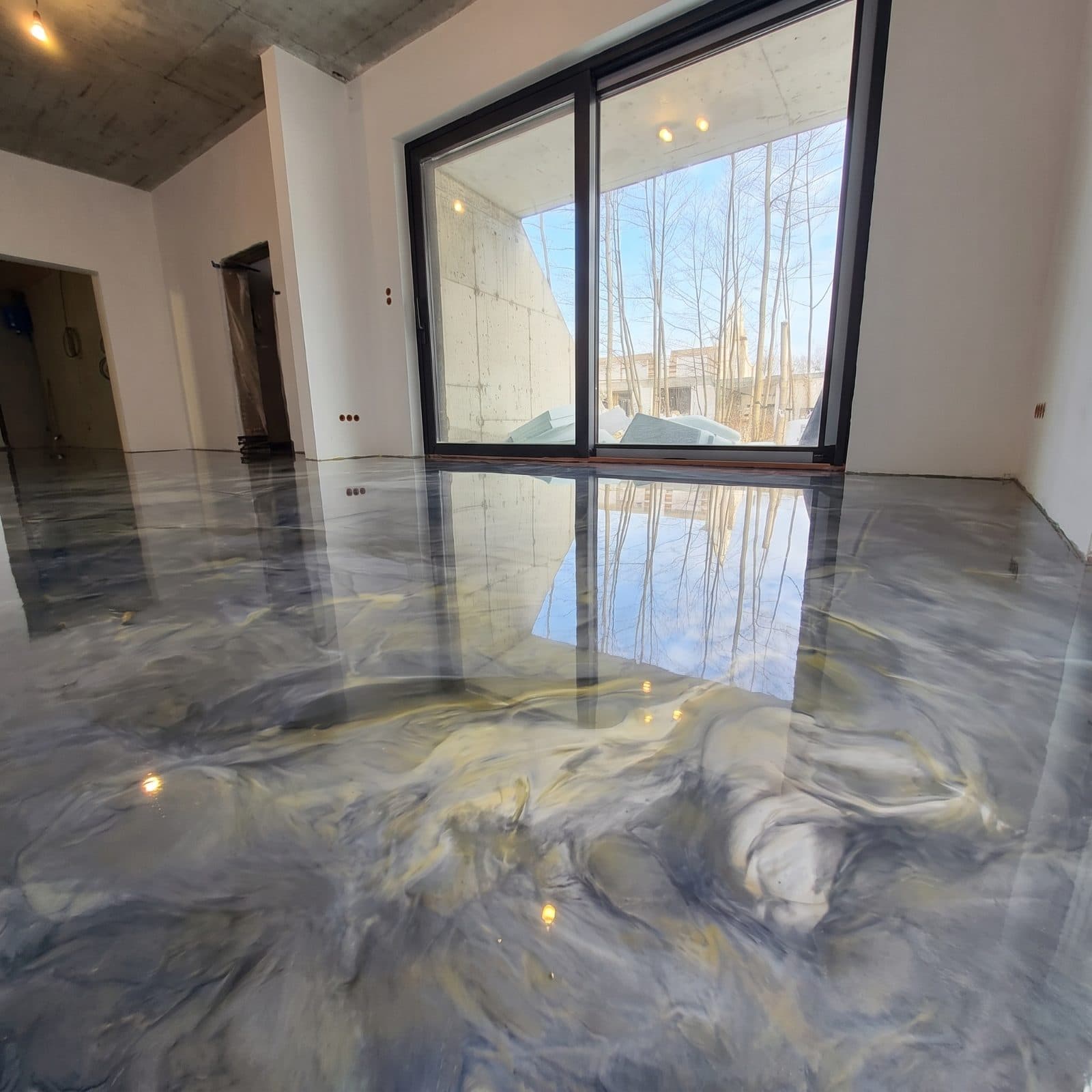
In short: hardness versus flexibility
Cured epoxy forms a very hard, rigid, chemically resistant coating that handles abrasion and point loads exceptionally well. Polyurethane is more flexible and springy — it works with the substrate, dampens footstep noise and forgives micro-cracks in concrete. It's not a “better or worse” contest, but two tools for different jobs.
Epoxy — strengths and weaknesses
- Highest hardness and abrasion resistance — ideal under wheels, racking and industrial traffic.
- Excellent chemical resistance: oils, fuels, most solvents.
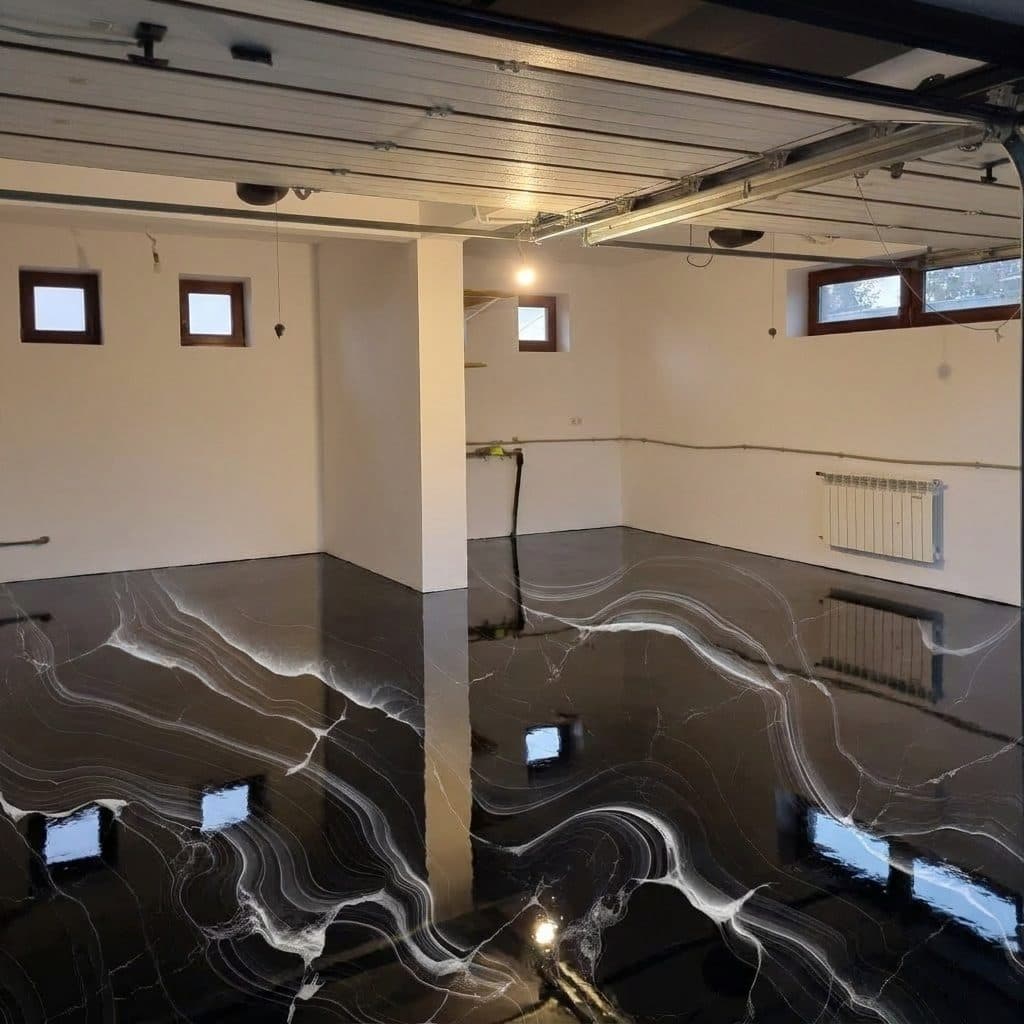
- The richest decorative options — 3D metallic and marble effects are made with epoxy.
- UV sensitivity: cheap unprotected epoxy can yellow over time near windows and outdoors.
- Rigidity: on a moving, cracking substrate the coating can mirror the crack.
Polyurethane — strengths and weaknesses
- Flexibility — bridges small substrate cracks and handles temperature swings better, which is why it wins on terraces and balconies.
- Color stability in full sun (aliphatic systems don't yellow).
- Warmer and quieter underfoot — pleasant in living spaces.
- Lower abrasion and chemical resistance than epoxy — in a production hall it gives up first.
- A narrower range of decorative effects.
What to choose for a specific space?
| Space | Recommendation | Why |
|---|---|---|
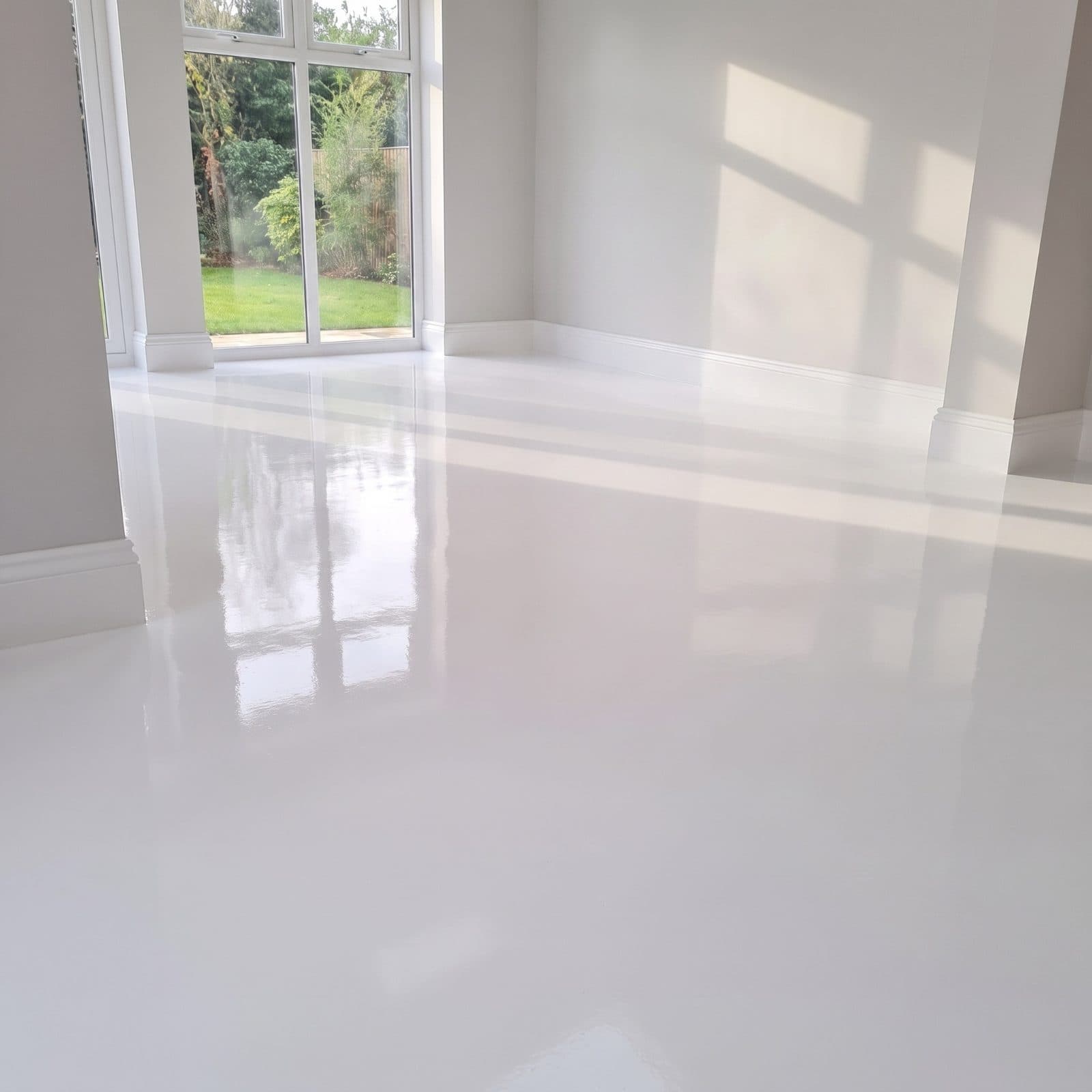
| Living room, bedroom | epoxy + PU topcoat | decorative effects plus UV and scratch protection |
| Garage | epoxy | tires, oils, road salt — hardness matters here |
| Terrace, balcony | polyurethane | flexibility and full resistance to sun and frost |
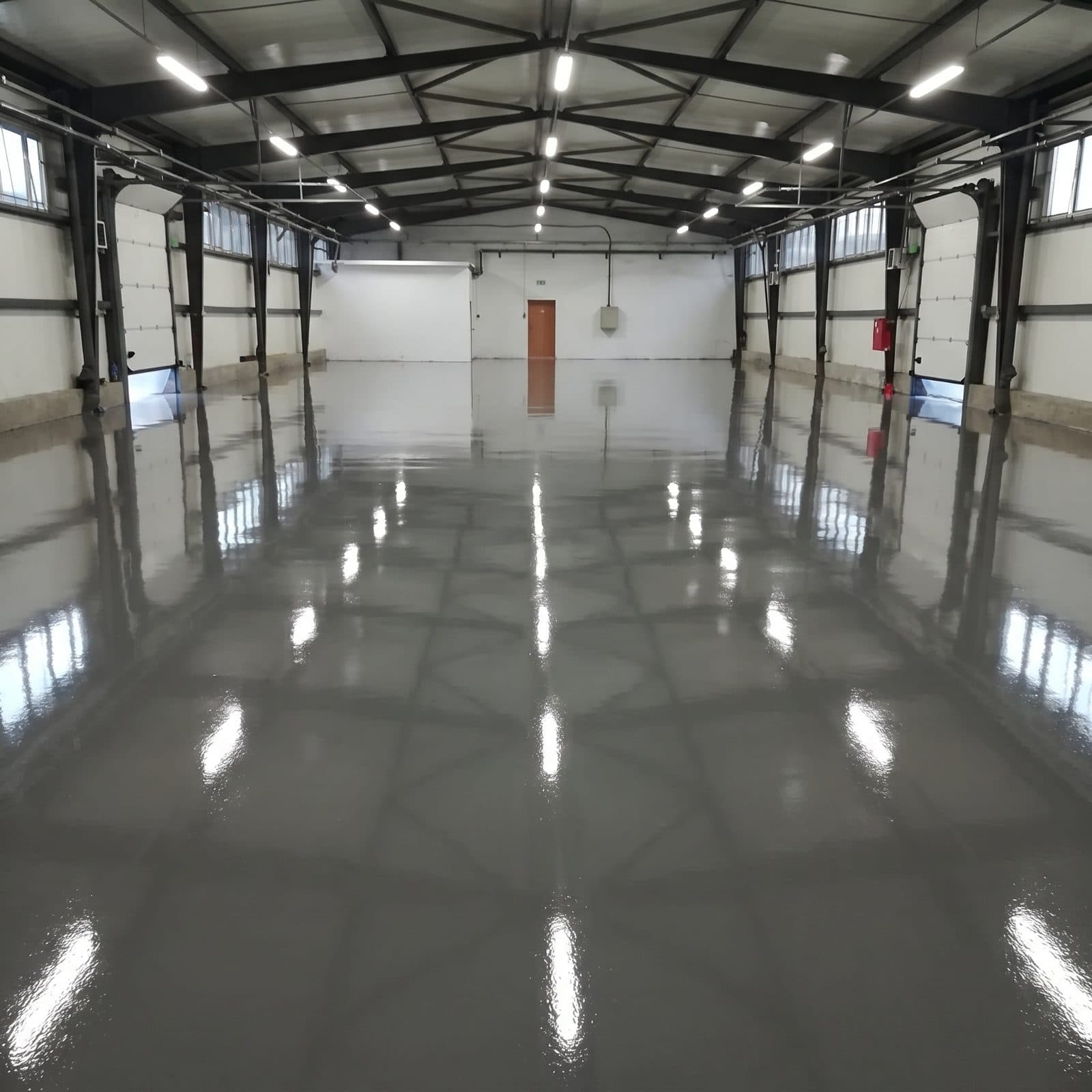
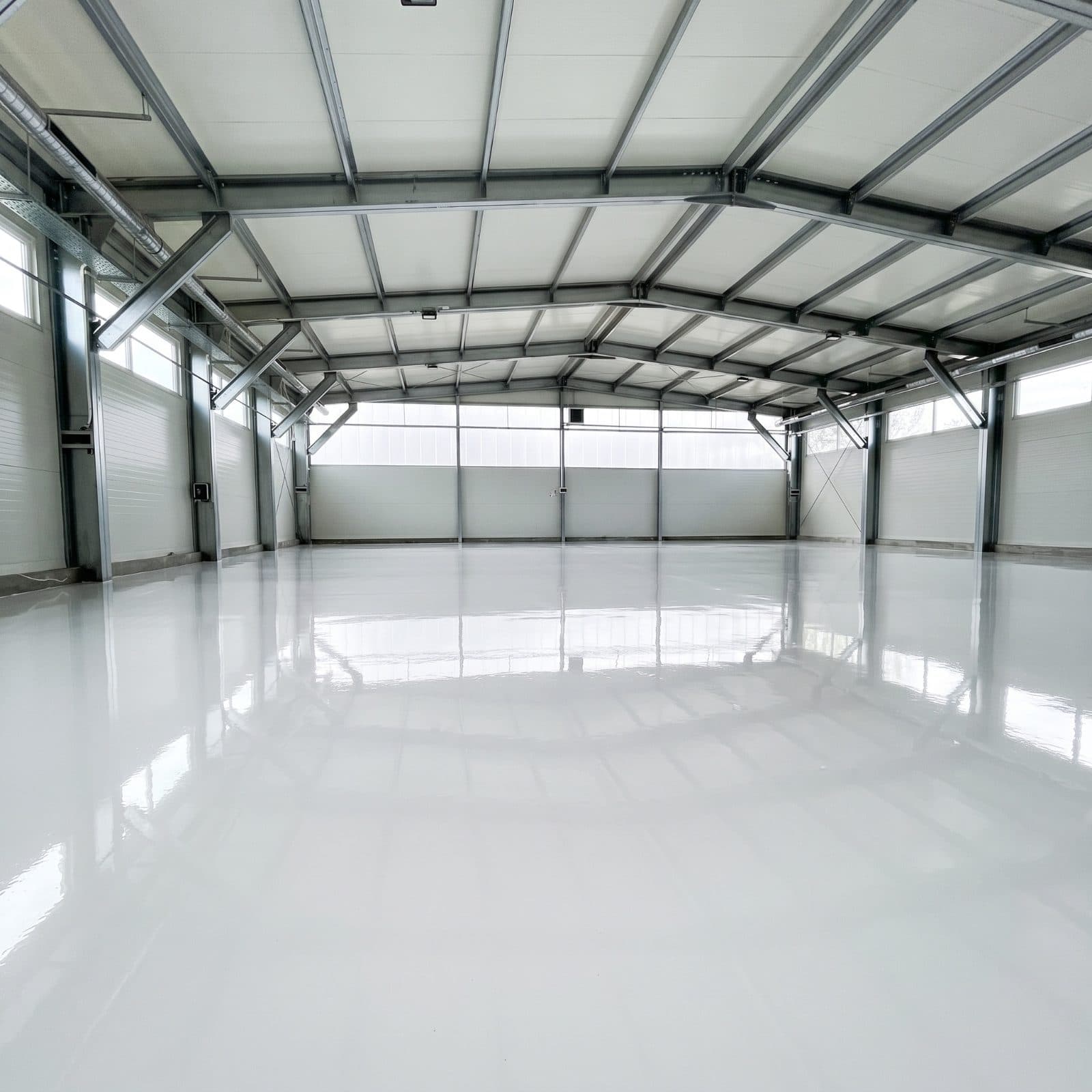
| Hall, warehouse | epoxy (industrial system) | abrasion, forklifts, process chemicals |
| Bathroom | epoxy with anti-slip | a sealed, grout-free surface, R10–R11 class |
In practice, the duo wins
In most of our residential projects we combine both materials: decorative layers are epoxy (depth, metallics, marble), and the whole floor is sealed with an aliphatic polyurethane topcoat. The system combines epoxy's hardness and looks with polyurethane's UV and scratch resistance. The American topcoats we use hold their gloss and color for years — one of the reasons every project carries a 10-year written warranty.
You don't have to decide alone — during a free measurement we assess the substrate and how the space is used, then recommend a specific system with reasoning. More in our pieces on the garage floor and industrial floors.